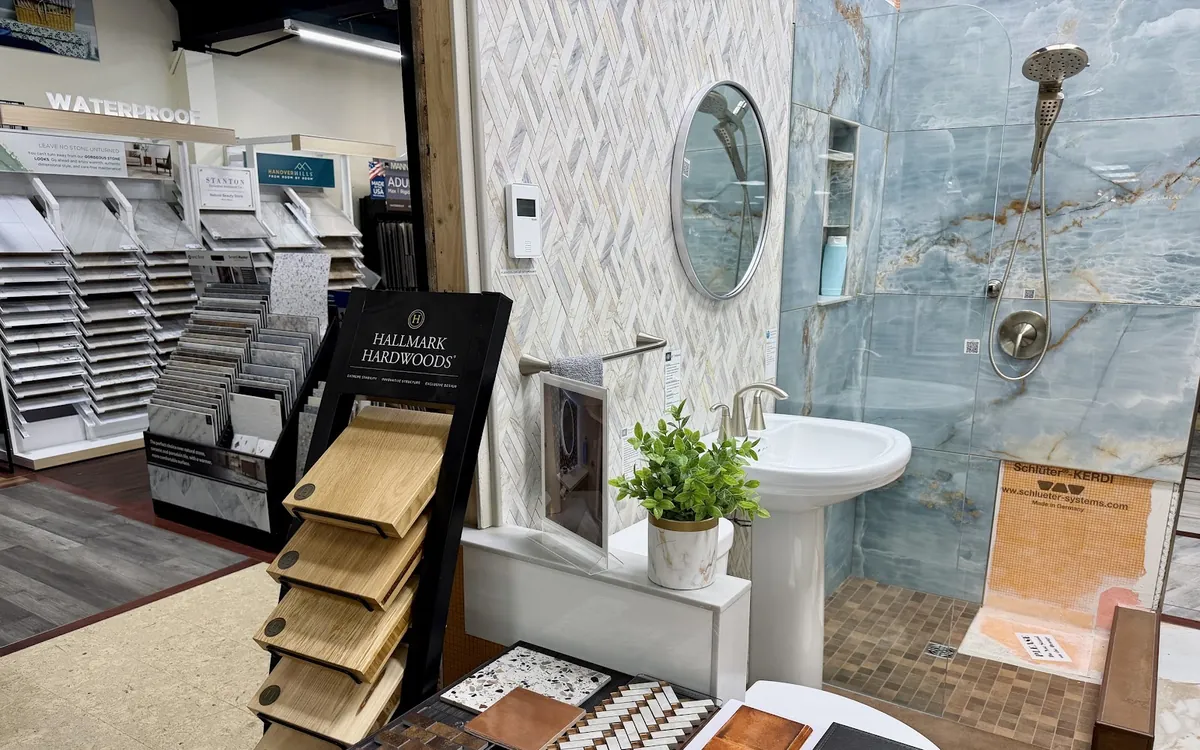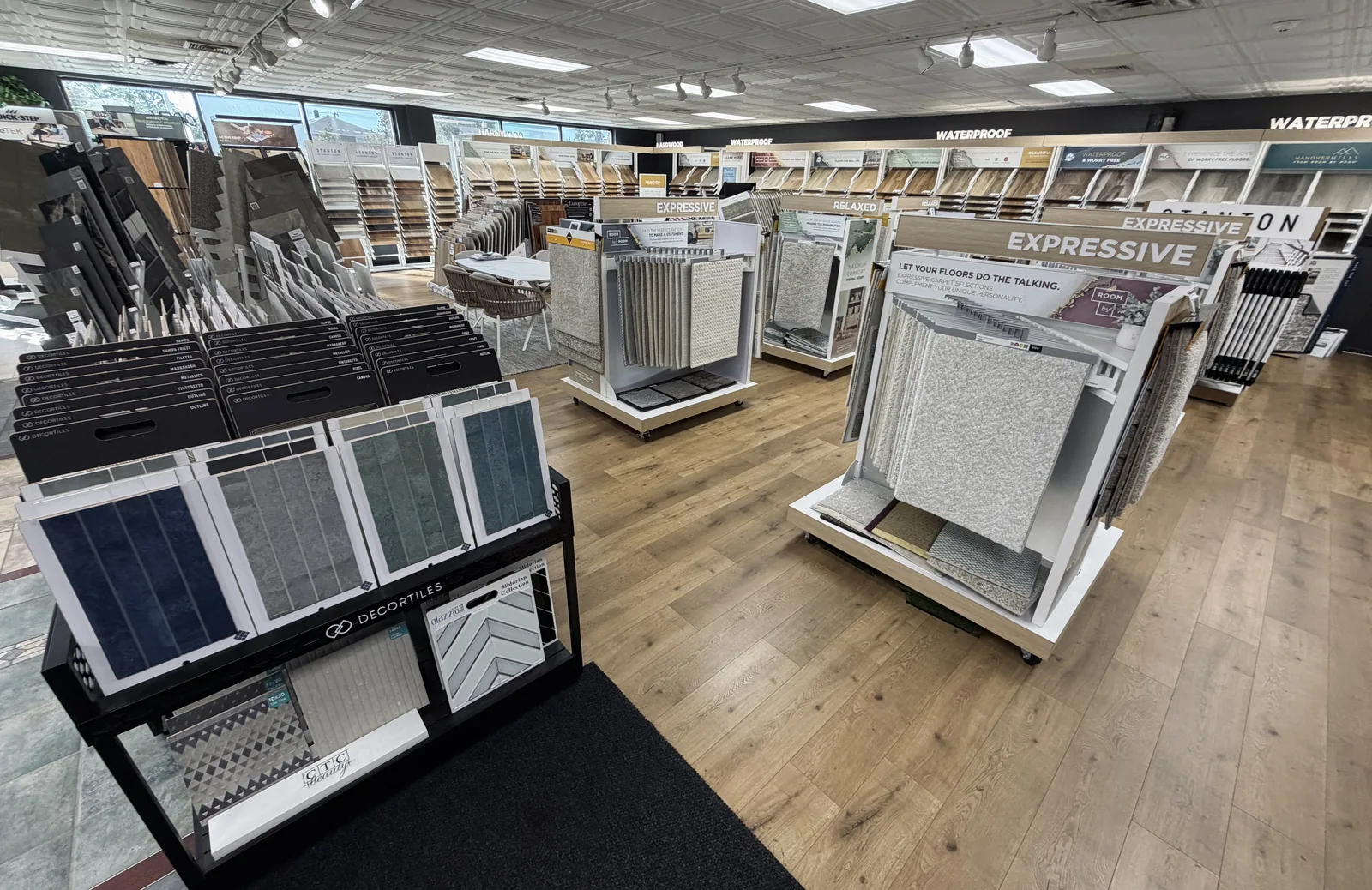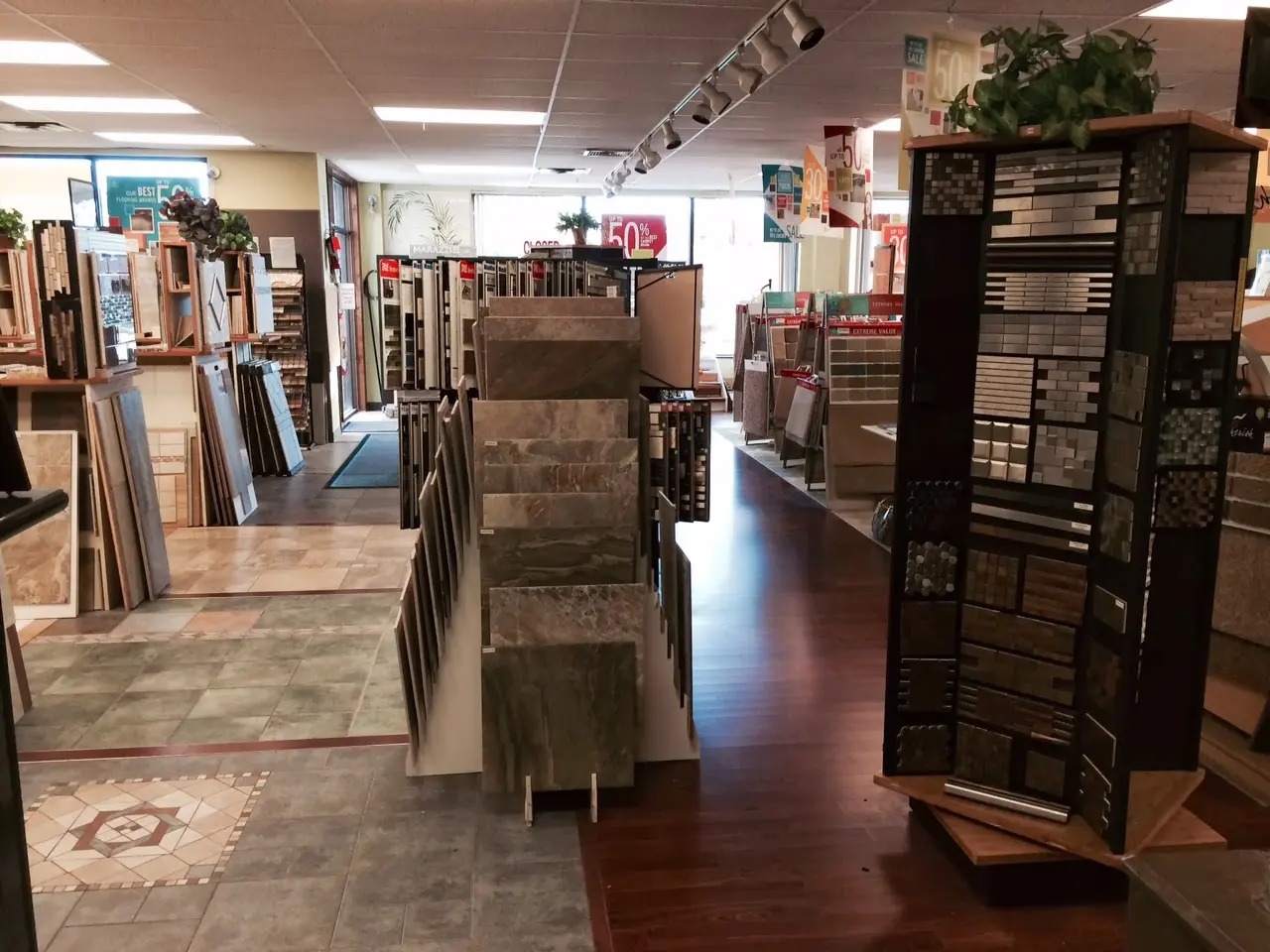
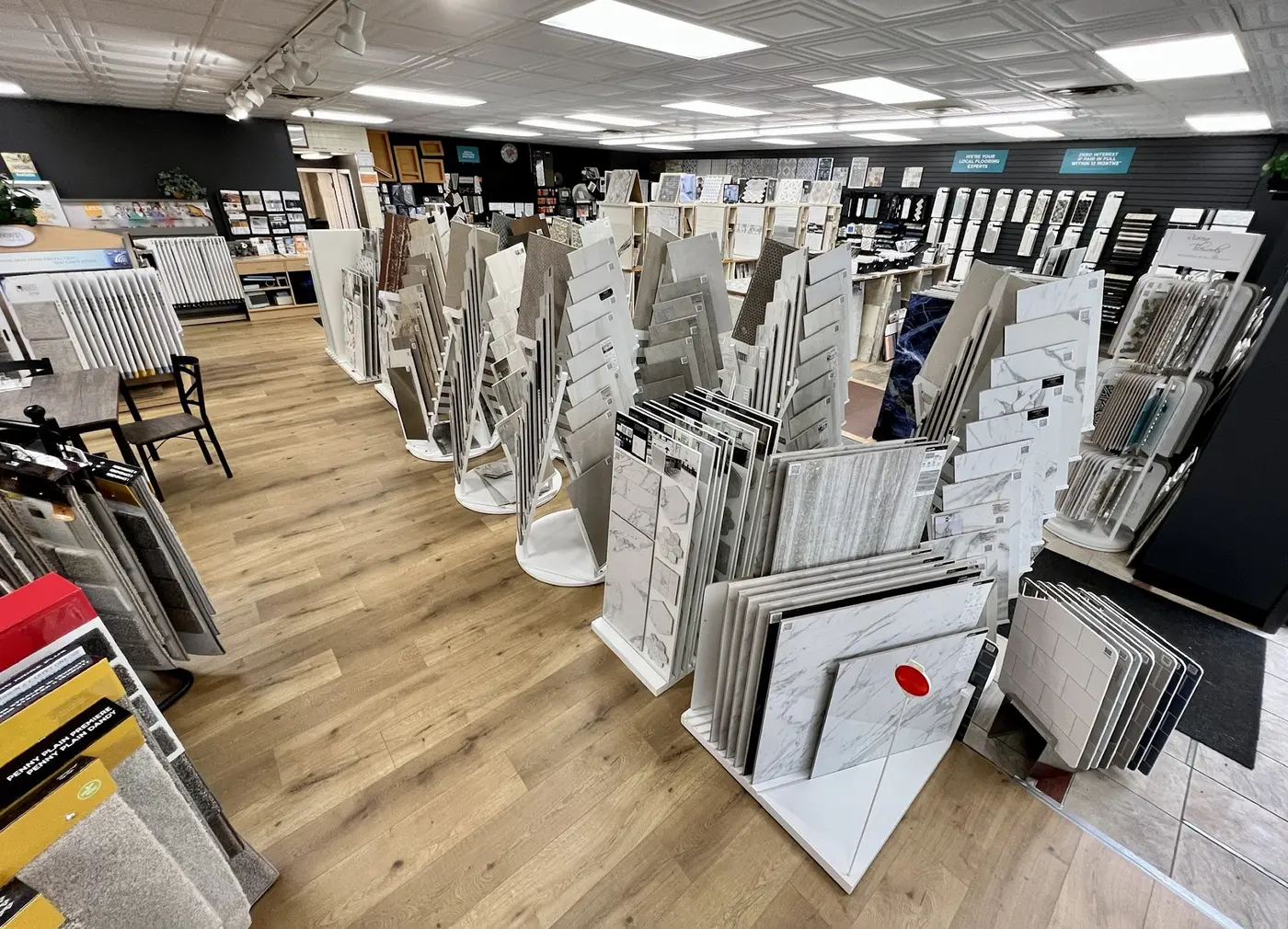
Carpet is still the softest, warmest and quietest floor you can put in a house, and in a Western New York winter that counts for a lot. But two carpets that look almost identical on a sample board can wear very differently once a family, a dog and a staircase get involved. The difference usually comes down to the fiber, how the carpet is constructed, and the pad underneath it. Here is how we walk customers through those choices at our Tonawanda showroom.
Start With Where the Carpet Is Going
The right carpet for a guest bedroom is not the right carpet for the stairs, and it is fine to use different products in different spaces. Think about who walks there, how often, and what they are carrying. Bedrooms see bare feet and the occasional vacuum. Hallways and stairs see shoes, laundry baskets, pets and kids running up and down at full speed.
Before you fall in love with a color, ask yourself three questions. How many people use this room daily? Do pets or small kids spend time on the floor? And do you want it to feel plush or to stay looking tidy with the least effort? Those answers narrow the field quickly.
Fiber Choices in Plain English
Most residential carpet today is made from one of a few synthetic fibers, plus wool for those who want a natural option. None of them is the best at everything, so it helps to know the trade-offs.
- Nylon: resilient and springs back well, which is why it is a common choice for stairs, hallways and busy family rooms. Usually costs more than polyester.
- Polyester: soft to the touch and available in rich colors, a good fit for bedrooms and lower-traffic rooms. It can mat down faster where traffic is heavy.
- Triexta and other soft, stain-resistant synthetics: a middle path that many families like for living areas.
- Wool: a natural fiber with a lovely look and feel, typically at a higher price. Worth a conversation if you want something special.
| Room | Fiber to consider | Pile style to look for |
|---|---|---|
| Stairs | Nylon | Low, dense, tightly twisted |
| Hallways and family room | Nylon or triexta | Textured or cut-and-loop |
| Bedrooms | Polyester, triexta or nylon | Plush or soft textured |
| Basement rec room | Moisture-tolerant synthetic, with proper prep | Low, dense, with the right pad |
Ask to see the sample in the showroom and press your hand into it. Then compare it with a second sample of the same color in a different fiber. Your hand is a surprisingly good judge of how a carpet will feel and recover.
Pile Style, Density and Why They Matter
Pile style is the way the yarn is cut and twisted. Plush, sometimes called saxony, has a smooth, formal look that shows footprints and vacuum marks. Textured and frieze styles hide that traffic pattern better. Berber and loop styles are tough but can snag if a pet has long claws, so think about that before you commit.
Density, meaning how tightly the yarn is packed, is often more important than how tall it is. A tall, loose carpet can look luxurious in the store and feel tired in a few years. Press your fingers into the surface and see how much of the backing you can see. If you can see a lot of backing, the carpet is not very dense.
Do Not Skimp on the Pad
Carpet pad is the cushion between the carpet and the subfloor, and it does a lot of quiet work. It absorbs impact, adds comfort, and reduces wear on the carpet backing. A thin, cheap pad will make an expensive carpet feel flat and can shorten its life. On the other side, a pad that is too soft can make the carpet stretch and buckle.
In general, a dense, moderately firm pad is the safer choice, especially in hallways and on stairs. Ask what pad is included in your quote and what it is rated for. If the answer is vague, ask again. Our team will walk you through the options for each room so the pad suits the carpet, not just the budget.
Stairs Deserve Extra Thought
Stairs take more punishment than any other part of a carpeted home. Every step takes a concentrated hit, and the nose of each tread wears first. Installation also takes real skill: the carpet has to be wrapped and tacked tight around each nose, with clean corners and no loose edges. You can read more about how we handle this on our carpet stairs page.
Some homeowners in older Buffalo-area houses want to keep a wood tread visible and run a narrow runner down the middle. Others prefer wall-to-wall for sound and safety. Both can look great. If you are also thinking about wood treads, take a look at hardwood stairs before you decide. For the broader picture, our carpet flooring page covers the styles we carry.
Cost, Care and Getting Started
Installed carpet in our area commonly lands somewhere in the range of a few dollars to roughly ten dollars per square foot, depending on fiber, density, pad and how much prep and removal your rooms need. Stairs are priced separately because of the extra labor. A written quote after a measure is the only way to get a real number.
To keep your carpet looking good, vacuum regularly, put mats at the door to catch road salt and winter grit, and treat spills quickly. Have it professionally cleaned when it needs it rather than waiting for it to look tired. If you want to talk about budget, our 12-month no-interest financing is available, subject to credit approval.
- Bring photos of your rooms and a rough idea of who uses them.
- Ask to see two or three fibers side by side in your color range.
- Ask what pad is included and how thick and dense it is.
- Ask whether removal, furniture moving and stairs are in the quote.
- Read what neighbors say on our reviews page.
Ready to see carpet samples in your own home?
Schedule an estimateMadison Floor & Bath has been helping Western New York families for three generations, and carpet is a big part of that. Stop by the showroom at 2744 Sheridan Dr in Tonawanda or request an in-home estimate, and we will help you match the right fiber and pad to your home.