A tile bathroom is one of the most satisfying remodels you can do, and one of the easiest to get wrong. The tile has to look good, handle daily water, stay safe underfoot and last through years of steam. With thousands of choices in size, color and finish, shoppers often feel overwhelmed when they walk into a showroom.
At Madison Floor & Bath, bathrooms and showers are a big part of our work, and our tile and design specialist Michelle helps many customers narrow things down. Here is the thinking we walk through together.
Porcelain, Ceramic or Natural Stone
Porcelain tile is dense, absorbs very little water, and comes in a huge range of looks, from marble-like patterns to concrete and wood. It is our first suggestion for bathroom floors and showers. Ceramic is a bit softer and usually less costly, and it works beautifully on bathroom walls and backsplashes.
Natural stone tile has depth and character you cannot fully copy, but it is porous and typically needs sealing and more upkeep, particularly in a wet shower. If you love stone, we are happy to talk you through the trade-offs, and sometimes a porcelain that mimics stone gives you the look with less care.
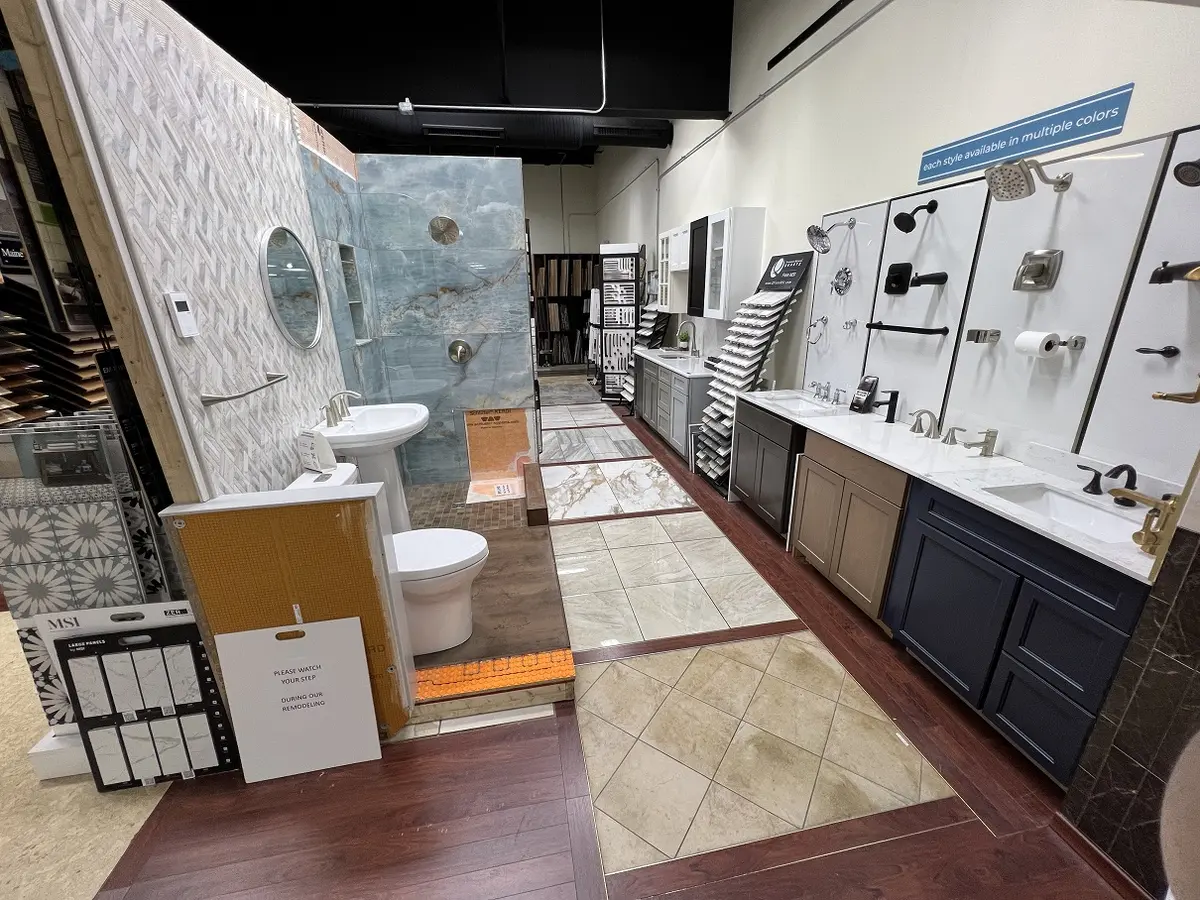
Size, Shape and Slip Resistance
Large-format tiles have fewer grout lines, which means a cleaner look and less to scrub. They need a flatter surface, so older floors sometimes require leveling first. Smaller tiles conform better to slopes, which is why shower floors that must slope toward the drain commonly use small tile or mosaic tile. More grout lines also add traction.
For floors, look for a slip-resistant or matte finish. Polished tile can be lovely on a wall and risky on a wet floor. Ask about the product's traction rating and try the sample with a damp hand to get a feel for it.
Walls, Niches and the Tile Shower Itself
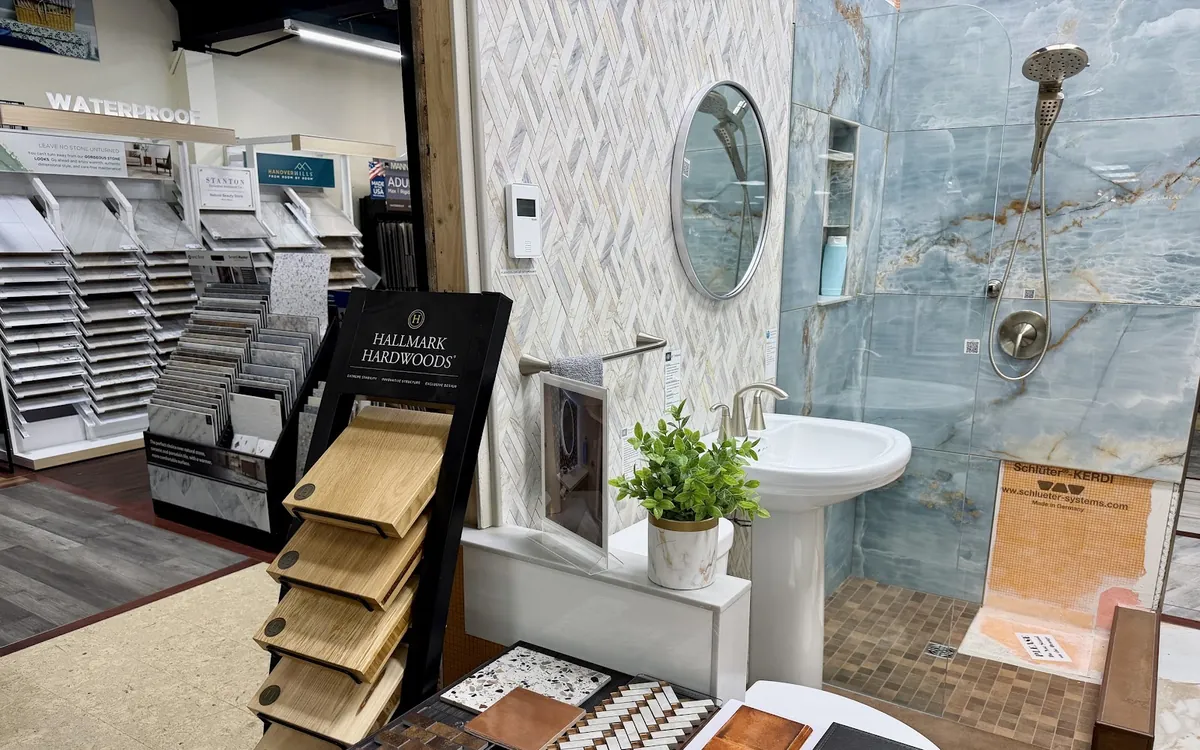
A tile shower can be as simple as classic white subway tile or as dramatic as floor-to-ceiling slab-look panels. Browse wall tiles for backsplash, tub surround and accent options. A few details we recommend deciding early:
- A built-in niche for shampoo bottles, which is nicer than a hanging caddy.
- A bench or curb height that suits everyone in your household.
- A single accent band or feature wall rather than five competing patterns.
- Trim pieces, such as bullnose or metal edging, to finish exposed edges neatly.
- Whether you want a frameless glass door, since that affects tile layout.
The Part You Cannot See: Waterproofing and Prep
Tile and grout are not waterproof by themselves. Water-resistant behind-the-tile systems, correct slope to the drain, and properly set backer materials are what keep a shower from leaking into the framing. This is where experienced installers matter. If you are replacing an older bathroom, you may also need to remove an old tub or tile and repair the subfloor. Our team handles flooring installation and removal so the prep happens in the right order.
Grout, Color and Upkeep
Grout color changes the look dramatically. Matching grout makes a tile pattern recede, while contrasting grout highlights it. Darker or medium tones hide mildew spotting better than bright white. Many modern grouts are stain resistant, and epoxy options are even tougher, though they are more demanding to install. Plan to reseal cement-based grout as your installer recommends.
| Decision | Easy default | Consider if |
|---|---|---|
| Floor tile | Porcelain, matte finish | You want stone look without sealing |
| Shower floor | Small tile or mosaic | You prefer a linear drain with larger tile |
| Wall tile | Ceramic or porcelain | You want a bold pattern |
| Grout | Medium tone, stain resistant | You want a crisp graphic look |
Matching Tile to the Rest of the Remodel
Tile is only one piece. Vanity color, countertop, mirror and lighting all play with it, which is why we like to look at everything together. If you are updating a smaller powder room, one bold tile can carry the whole space. In a primary bath, a calmer floor with a more decorative shower wall is a common recipe. We also work with countertops, vanities, cabinets and backsplashes, so the choices can be coordinated in one place rather than across several stores.
Finally, think about timing. Specialty tile can take a few weeks to arrive, and the order should be confirmed, counted and checked for matching lots before work begins. Ordering about ten percent extra is a common rule of thumb to cover cuts and future repairs, and your installer can advise on the right amount for your layout.
If you are unsure where to start, bring a photo of the space, rough measurements, and any tile or fixture you already own. We can sketch a plan from there and tell you which parts of the job are simple and which need more care.
Budgeting and Next Steps
Installed tile commonly runs about $7 to $15 per square foot in our area before any remodel extras like plumbing, vanity or glass, and complex layouts and large showers cost more. A full bathroom remodel is its own project, and we can talk through tile, vanities and countertops together. If you want a quote that includes everything, an in-home visit makes it concrete. Financing with 12-month no-interest terms is available, subject to credit approval.
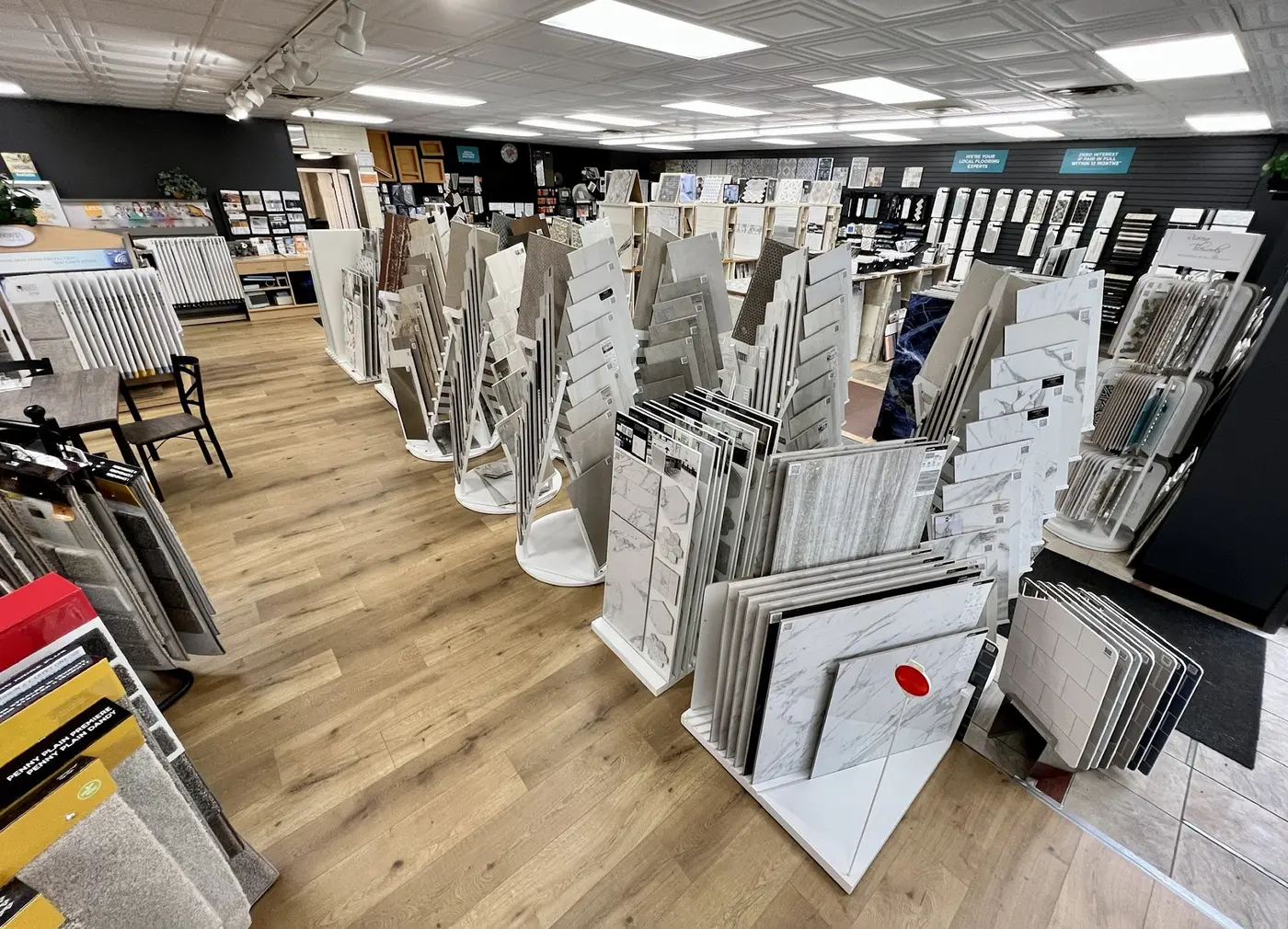
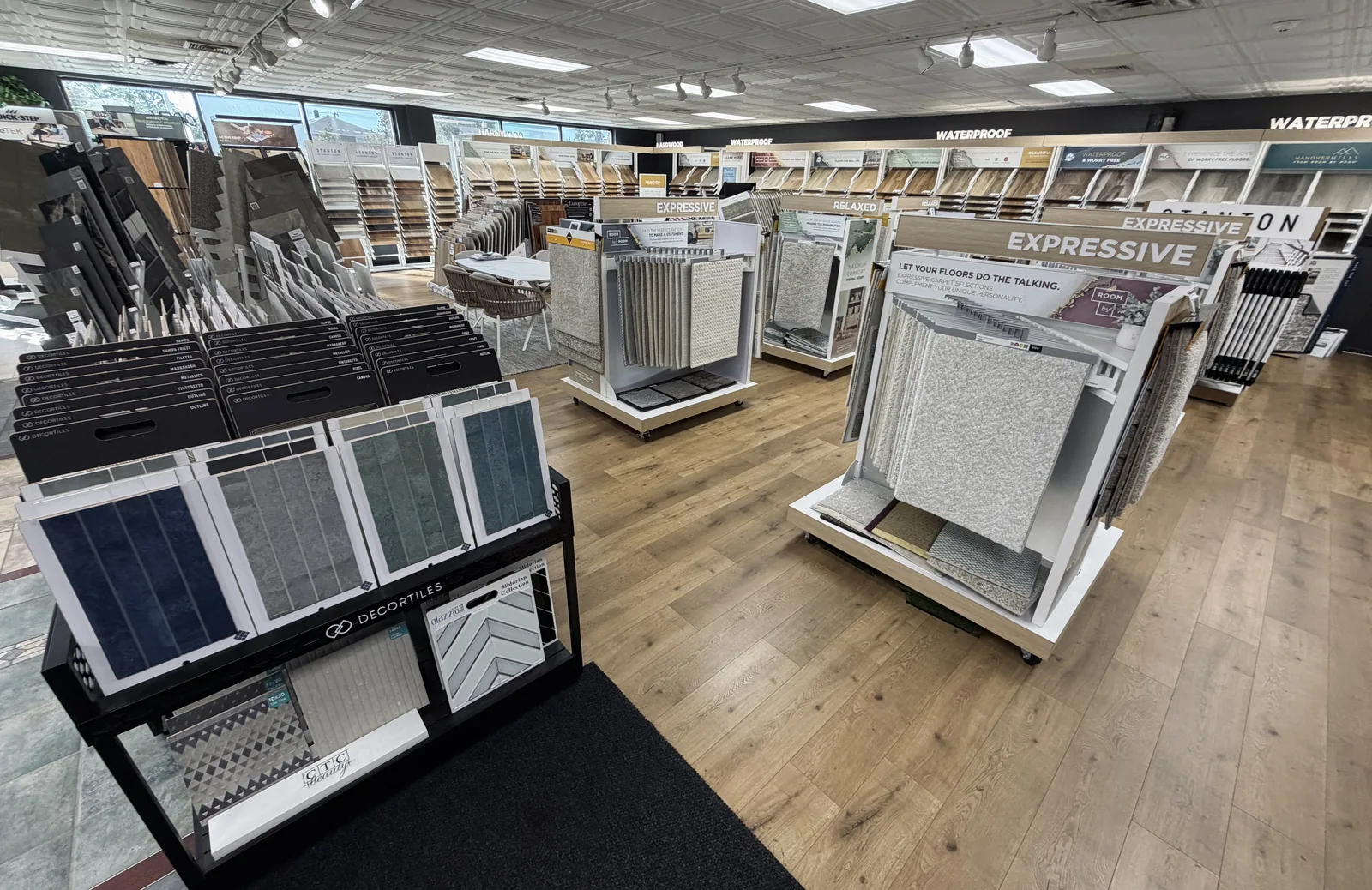
Seeing is better than scrolling. Our showroom has a big sample selection and bath displays, or you can browse the inspiration gallery first. Customers often mention Michelle's help with tile selection in our reviews.
Planning a bathroom or tile shower? Bring your ideas and we will help you pick tile that works.
Schedule an estimate