Few questions come up as quickly as the price one. How much will it cost to redo the floors? The honest answer is that it depends, but you can still get a sensible budget range before you pick up the phone. This guide gives realistic 2026 installed ranges for Western New York and explains what pushes a quote up or down.
The numbers below are general ranges for a straightforward installation, covering materials and labor. They are not a quote. A specific price needs measurements and a look at your subfloor, which is why we come to you.
Typical Installed Cost by Material
These ranges include professional installation for an average project. Premium products and difficult layouts sit toward the top.
| Material | Installed $ per sq ft | Notes |
|---|---|---|
| Carpet | $2 to $9 | Pad quality and fiber drive the price |
| Laminate | $4 to $9 | Best in dry rooms |
| Luxury vinyl plank | $5 to $11 | Waterproof, strong value |
| Tile | $7 to $15 | Layout and prep add cost |
| Hardwood | $8 to $15 | Solid or engineered; refinishable |
What Drives the Price Up or Down
Material is only part of the story. Two houses with the same square footage can get very different totals because of what is under and around the new floor.
- Subfloor condition: leveling, patching or squeaky-board repair adds labor.
- Removal of the old floor: carpet is quick to pull, glued tile or old hardwood takes more time. See our demolition and prep work.
- Stairs: every step is cut and fitted by hand and is priced separately.
- Layout: diagonals, herringbone and many small rooms take longer than open rectangles.
- Moving furniture and disposal, if you want us to handle them.
- Transitions, trim and baseboards that need replacing.
Room-by-Room Budget Ideas
To put the ranges in context, here are typical totals homeowners plan around, assuming mid-range products. Actual figures depend on size and prep.
| Room | Common size | Rough budget |
|---|---|---|
| Bedroom | 120 to 200 sq ft | $800 to $2,500 |
| Living room | 250 to 350 sq ft | $1,500 to $4,500 |
| Kitchen | 150 to 250 sq ft | $1,200 to $3,800 |
| Finished basement | 400 to 700 sq ft | $2,500 to $7,500 |
| One flight of stairs | 12 to 14 steps | $500 to $1,800 |
Local Realities in Western New York
Older homes are a big part of our market. In a 1950s Cheektowaga cape cod or a Buffalo double, floors are not always level, and there may be a layer or two of old covering to remove. That is not unusual, and it is why a visit before the quote is so helpful. In basements, moisture can change both the product choice and the prep, as we discuss in our basement flooring guide. Newer subdivisions in Clarence or Lancaster often have simpler, flatter subfloors and big open spaces where larger rooms keep the per-foot cost efficient.
How to Compare Quotes Fairly
When you collect quotes, ask each company for the same things: one itemized, installed price including materials, labor, removal, prep, trim and cleanup. A low number that leaves out prep often grows later. Ask about the product name and wear layer or thickness, not just the color, so you can compare like with like. And ask who actually does the installation. A knowledgeable sales team and experienced installers are what we aim to offer.
You can also reduce cost sensibly. Choose a durable mid-range product, keep the layout simple, or do the project in phases. If spreading payments helps, take a look at our financing page.
Material Notes That Affect Value
A few material specifics help explain the ranges. Carpet varies widely with fiber, density and pad, and the pad underneath often matters as much as the carpet on top. Laminate keeps costs down and looks good in dry rooms, but it is not our pick for damp spaces. Luxury vinyl plank gives a lot of durability for the dollar. Tile has a wide spread because large formats, patterns and stone-look porcelain all price differently, and setting materials and prep add to the total.
Hardwood costs more up front but can be refinished, so it can be cheaper per year of service if you stay in the home a long time. Solid and engineered options sit in a similar range depending on species and width. Think about cost per year of use, not just cost per square foot, and about which rooms actually deserve the premium product.
Budget-minded shoppers sometimes ask about doing the work themselves. Simple floating floors are within reach for experienced do-it-yourselfers, but mistakes in prep or layout can be costly to redo. If you want to save, the better path is usually to simplify the job: fewer transitions, a standard layout, and doing your own furniture moving.
One more tip: ask when your project is scheduled and whether pricing is held until then. Fall and early winter are popular for interior projects in our area because people want rooms finished before the holidays, so booking a few weeks ahead keeps things relaxed. Whatever you choose, get the scope in writing so you and your installer are picturing the same finished room.
It also helps to decide what you want the floor to do before you look at prices. A rental unit, a first home, and a forever home call for different spending. Spend more where the floor works hardest and where you will notice it every day, and save in closets, spare rooms and storage areas.
Get Your Real Number
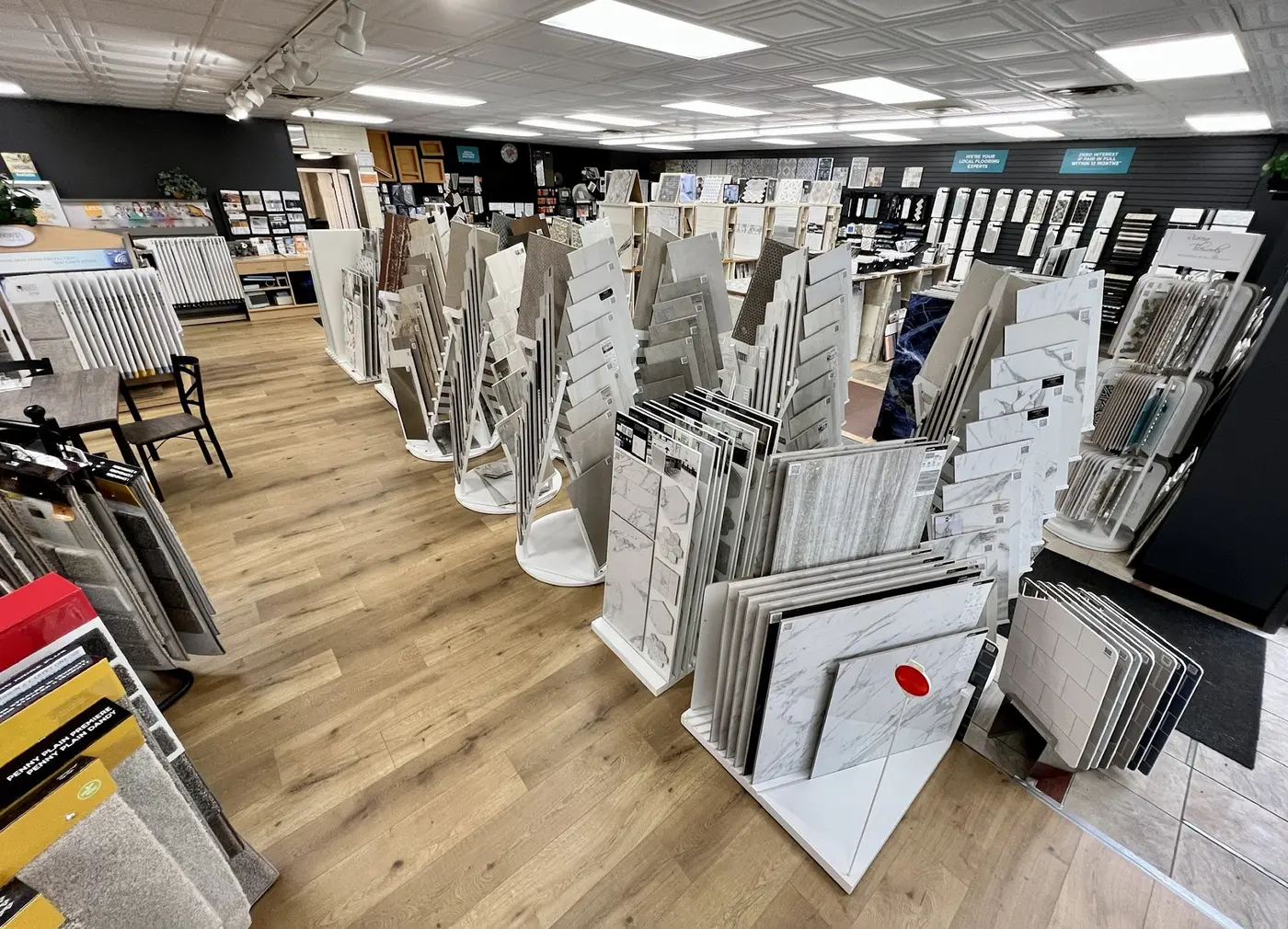
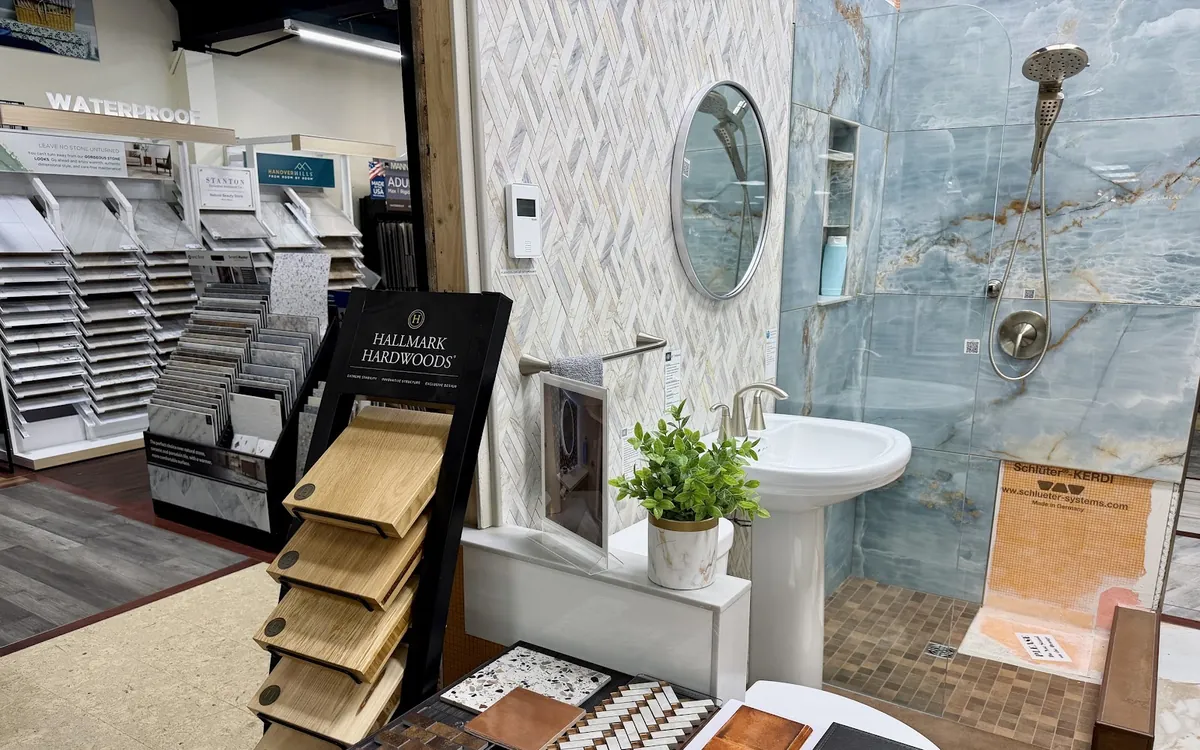
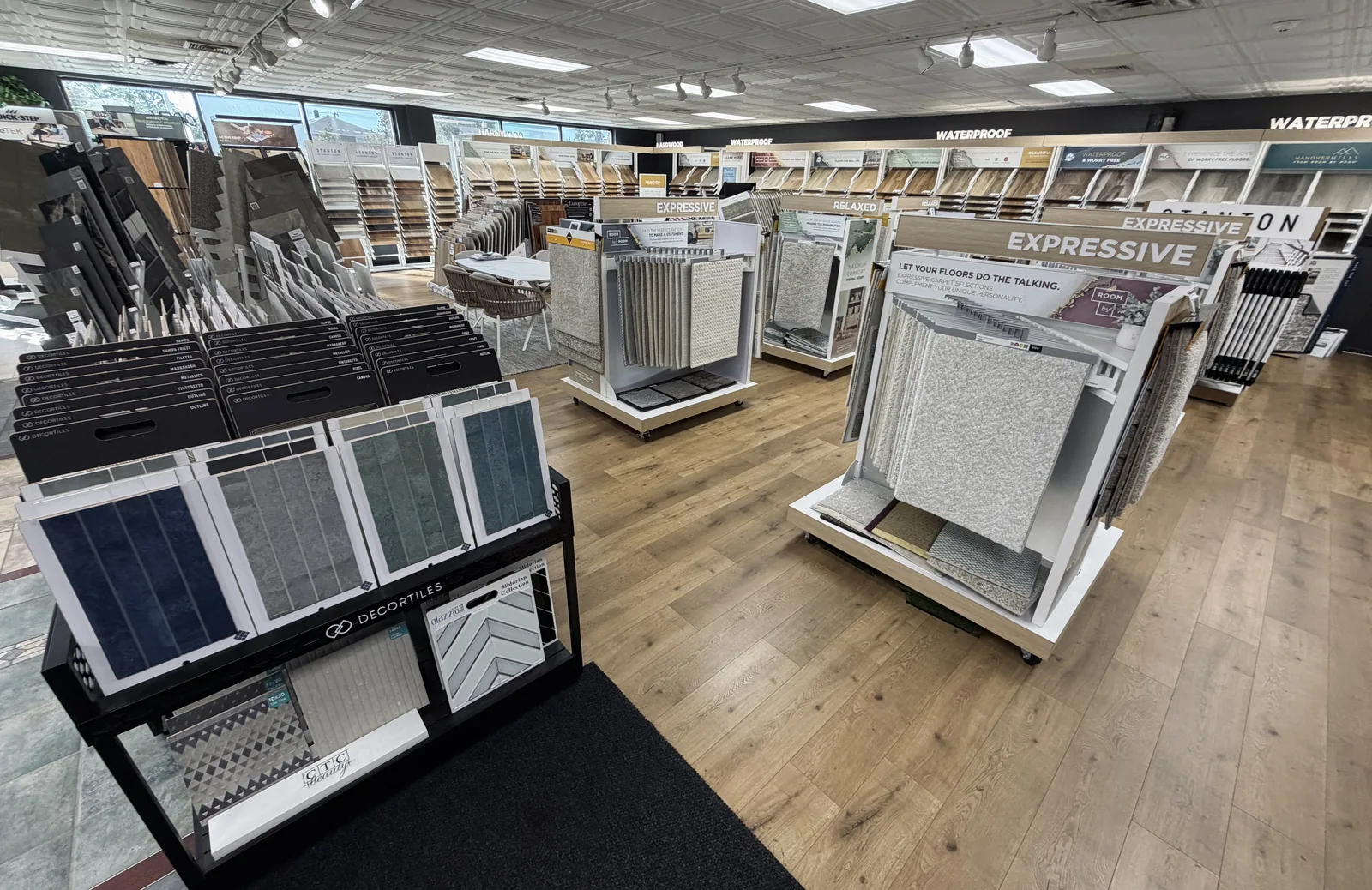
An in-home estimate means someone measures your rooms, checks the subfloor and walks through options with samples in your own light. You can also come into the showroom at 2744 Sheridan Dr in Tonawanda. Learn more about our family and how we work on the about page, and see feedback from customers on the reviews page.
Ready for a number that fits your home instead of a range? Schedule your estimate.
Schedule an estimate